-svg.svg)
When you take that first sip of coffee and it seems like an act of daring, then you must be among those millions of people who are sensitive. However, it is essential to mention that at times, mild or temporary sensitivity can be harmless, and some home remedies and a preventive care plan may help you enjoy your coffee completely pain-free.
Here, we will explore the causes of sensitivity,distinguishing between instances that are nothing to worry about and those that require professional dental care.
One of the very first things that you need to learn is what sensitivity really is. It is pain or discomfort felt when your teeth are exposed to hot, cold, sweet, or acidic foods and drinks. It occurs when the outer enamel or gum layer wears away, exposing the underlying dentin, a porous tissue connected to your tooth’s nerves.
Occasional mild sensitivity is normal, especially after dental cleanings or whitening treatments. However, constant pain or sharp sensitivity that lingers could indicate an underlying issue. It’s a common cause of concern that almost 40 % of adults experience some kind of sensitivity in their lives.
The aim is to make people aware that not all kinds of sensitivity we experience are permanent; some are temporary, and one can find relief by adopting preventive measures.
If you frequently experience sensitivity and no home remedy has been able to provide relief, then it's time to pay attention to your oral health. Certain symptoms suggest a deeper dental concern:
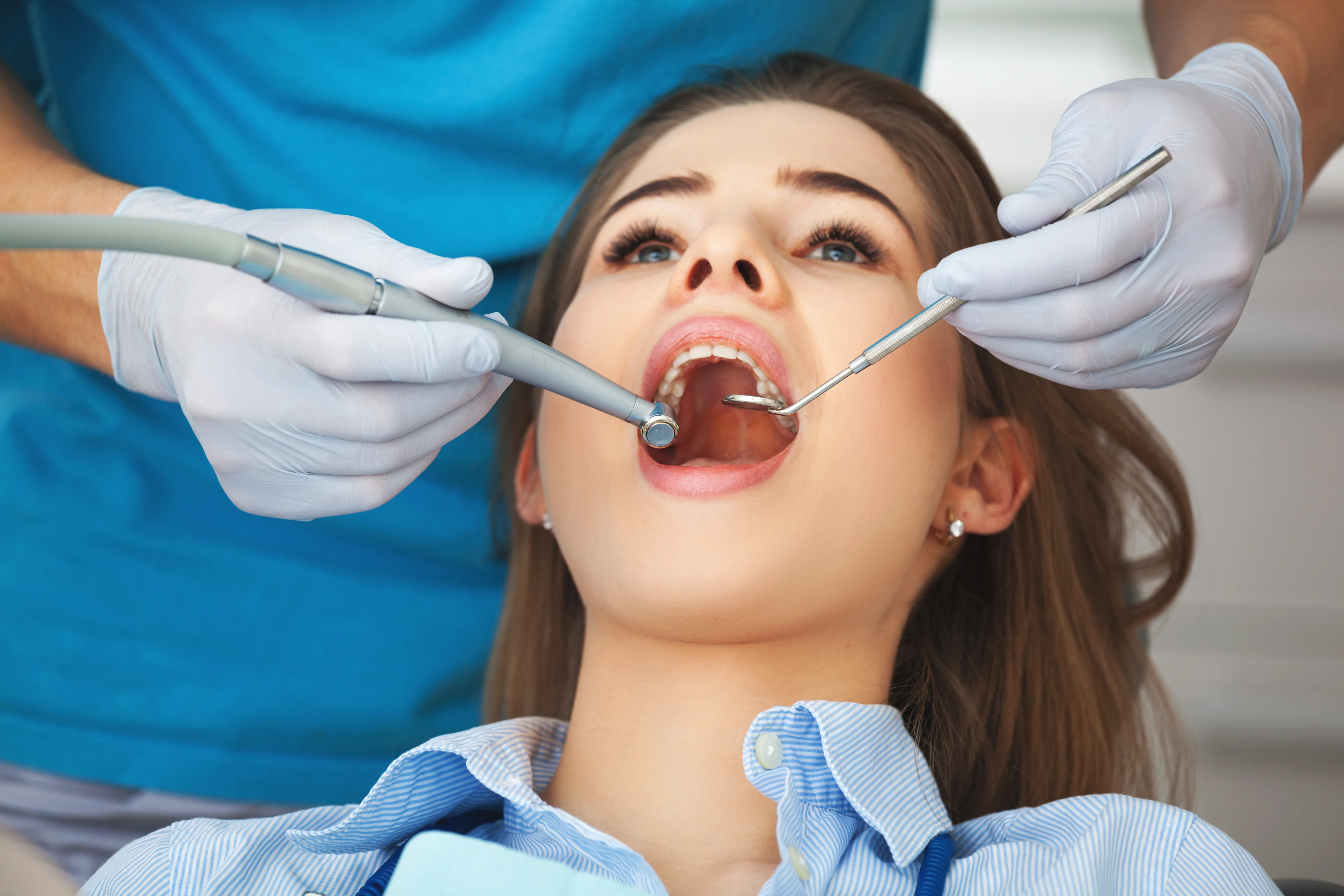
One of the reasons to pay regular visits to the dentist is that they help mitigate the risk of further problems. Your dentist will begin with a full examination, checking for cracks, cavities, or gum issues. X-rays and simple tests, such as applying cold air to a tooth, help determine whether the nerve is affected. The goal is to identify the root cause before recommending treatment.
Treatment options vary depending on severity:
However, it is essential to note that every individual patient is unique, and therefore, your dentist can help you develop the right treatment plan tailored to your specific needs.
One of the best ways to eliminate tooth sensitivity is to prevent it from occurring in the first place. Clean and healthy teeth and gums are the reason you can avoid tooth and gum sensitivity.
You should schedule a dental visit if you experience:
To conclude, tooth sensitivity isn’t always serious, but it should never be ignored. Whether it’s caused by everyday habits or an underlying dental issue, the right care from your trusted Napanee dentist at Dental Clinic - Smile Shapers Napanee can help you regain comfort and confidence in your smile.