-svg.svg)
Dental implants are one of the most reliable and long-lasting tooth replacement options available today. But even though implants don’t decay like natural teeth, they still require regular dental cleanings to stay healthy. Many patients wonder: How often do you need professional cleanings when you have dental implants?
Understanding why dental cleanings are important after getting dental implants is essential for anyone who wants their smile to last. Even though dental implants are artificial, the tissue and bone around them are very much alive and sensitive to poor hygiene.
One of the biggest risks for implant patients is peri-implantitis, an infection that affects the gums and bone supporting the implant. It functions similarly to gum disease and can lead to:
Regular cleanings help remove plaque,tartar, and bacteria that brushing alone cannot reach.
While implants don’t get cavities,they can accumulate plaque, which irritates the surrounding gums. Unlike natural teeth, implants rely entirely on the health of the surrounding bone.Once infection begins, damage can progress quickly.
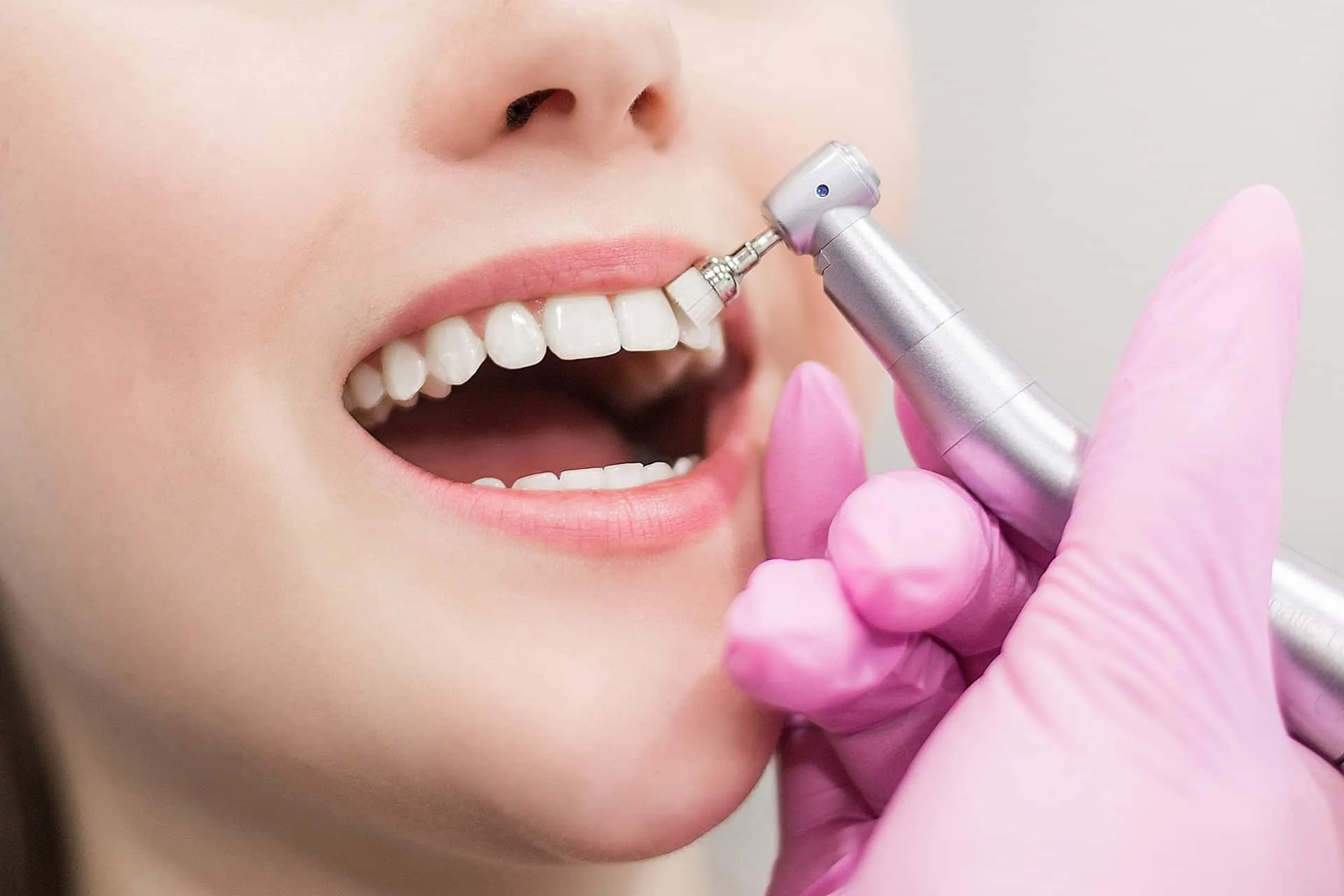
Professional cleanings use special tools designed to protect the implant surface and reduce the risk of scratching the titanium.
Regular cleanings help you:
Simply put, cleanings keep implants functional for decades, sometimes for life.
Your cleaning schedule matters.Here’s what dentists usually recommend when determining the recommended frequency of dental cleanings for implant patients.
Most implant patients should visit their dentist:
This ensures your dentist monitors the implant, checks tissue health, and removes buildup early.
Dentists may recommend more frequent cleanings if you:
These conditions increase the risk of peri-implantitis, making more frequent check-ups essential.
If you notice any of these symptoms,you may need to see your dentist earlier:
Early symptoms can be reversed with timely professional care.
While professional visits are crucial, daily care is equally important. The following section highlights essential tips for maintaining oral hygiene between cleanings.
To keep your implants healthy:
Gently cleaning along the gumline removes the bacteria that trigger inflammation.
Some tools make cleaning around implants easier and more effective:
These tools help reach areas your toothbrush may miss.
Your daily choices influence implant longevity. Good habits include:
A healthy lifestyle supports overall oral health and helps your implants last longer.
Dental implants are a valuable investment in your smile, and protecting that investment starts with consistent professional cleanings and strong daily oral hygiene habits. At Dental Clinic - Smile Shapers Napanee, we help patients understand why regular cleanings are essential, how often implant patients should schedule visits, and which daily care practices support long-term implant health.
Routine dental cleanings do more than keep your smile looking its best—they help preserve the success of your implants and reduce the risk of complications. If it’s been a while since your last dental exam or cleaning, now is the perfect time to book an appointment and take a proactive step toward lasting oral health.